
WHEN PRODUCT MOMENTUM STALLS
The Designer’s Role In The Tech Pack
For many apparel founders, growth doesn’t slow down because of a lack of ideas. It slows down because momentum gets trapped between teams.
A product is approved. The vision feels clear. Then development begins, and suddenly prototypes multiply, costs creep upward, and teams start asking questions that should have been answered weeks earlier.
One of the most overlooked sources of friction in the product creation process is a misunderstanding of who owns what within the tech pack. When expectations aren’t clearly defined, communication begins to break down between three critical functions: Design, Product Development, and Technical Design. Each role brings a different perspective to the product. Each is essential. But when product intent isn’t clearly documented from the beginning, everyone is left interpreting rather than executing.
As designers, our responsibility is simple: clearly articulate what we intend the product to become.
The more ambiguity that exists in a design package, the more likely a prototype becomes an exercise in translation instead of refinement. Prototypes should exist to improve fit, function, and performance. Not to uncover missing information. The foundation of that clarity begins long before the first prototype is made.
Materials & Trims: Momentum Starts Here
Every great product begins with materials and trims, yet many brands treat sourcing as a task that happens during development rather than before it. When materials and trims haven’t been fully vetted, products become vulnerable to delays, quality issues, and fit inconsistencies. The result is often a development calendar filled with preventable revisions.
The strongest product organizations create approved libraries of materials and trim well in advance of seasonal development. In many cases, material research and validation occur several seasons ahead of launch, creating space for testing, wear trials, and quality assurance.
While it may feel like extra work upfront, it creates something every founder is chasing: momentum.
The Base Tech Pack: Translating Vision Into Reality
Once a concept has been reviewed and approved, the designer’s role shifts from exploration to communication.
This is where I believe every product should be supported by what I call a Base Tech Pack—the foundational document that translates vision into actionable direction for development teams and factory partners.
A strong Base Tech Pack communicates four critical components:
Sketch
Fit Intent
Construction Details
Color
Together, these elements reduce interpretation and increase alignment.
Sketch: The Product’s Visual Blueprint
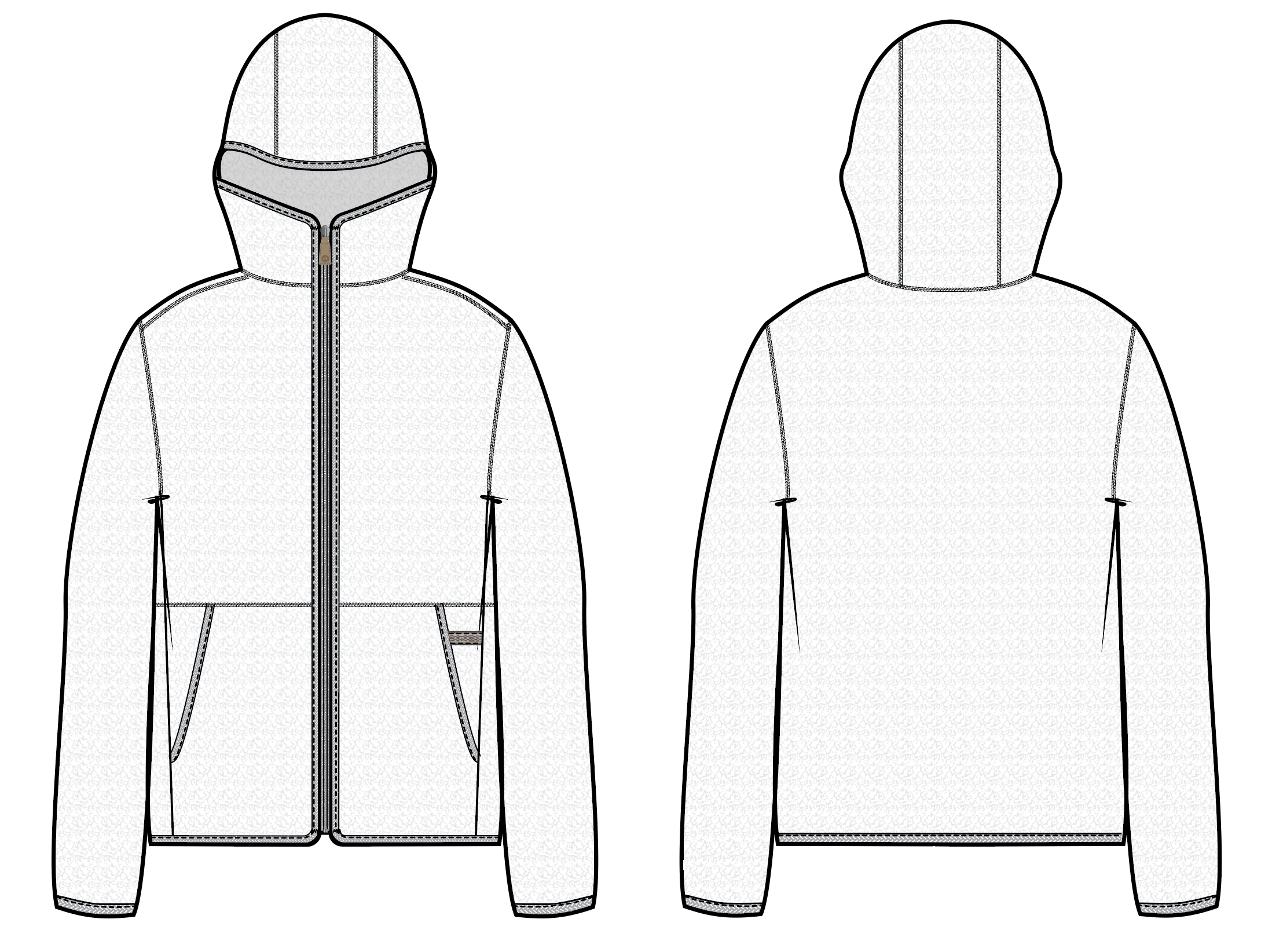
Sketches are often viewed as a creative deliverable, but in reality, they serve as a technical communication tool. Factories rely heavily on sketches to understand the intended product. Any detail omitted from the drawing becomes an opportunity for interpretation. While hand sketches are invaluable during ideation, production-ready digital sketches should communicate proportions, stitching, and construction with precision.
The clearer the sketch, the stronger the starting point.
Fit Intent: One of Your Strongest Competitive Advantages
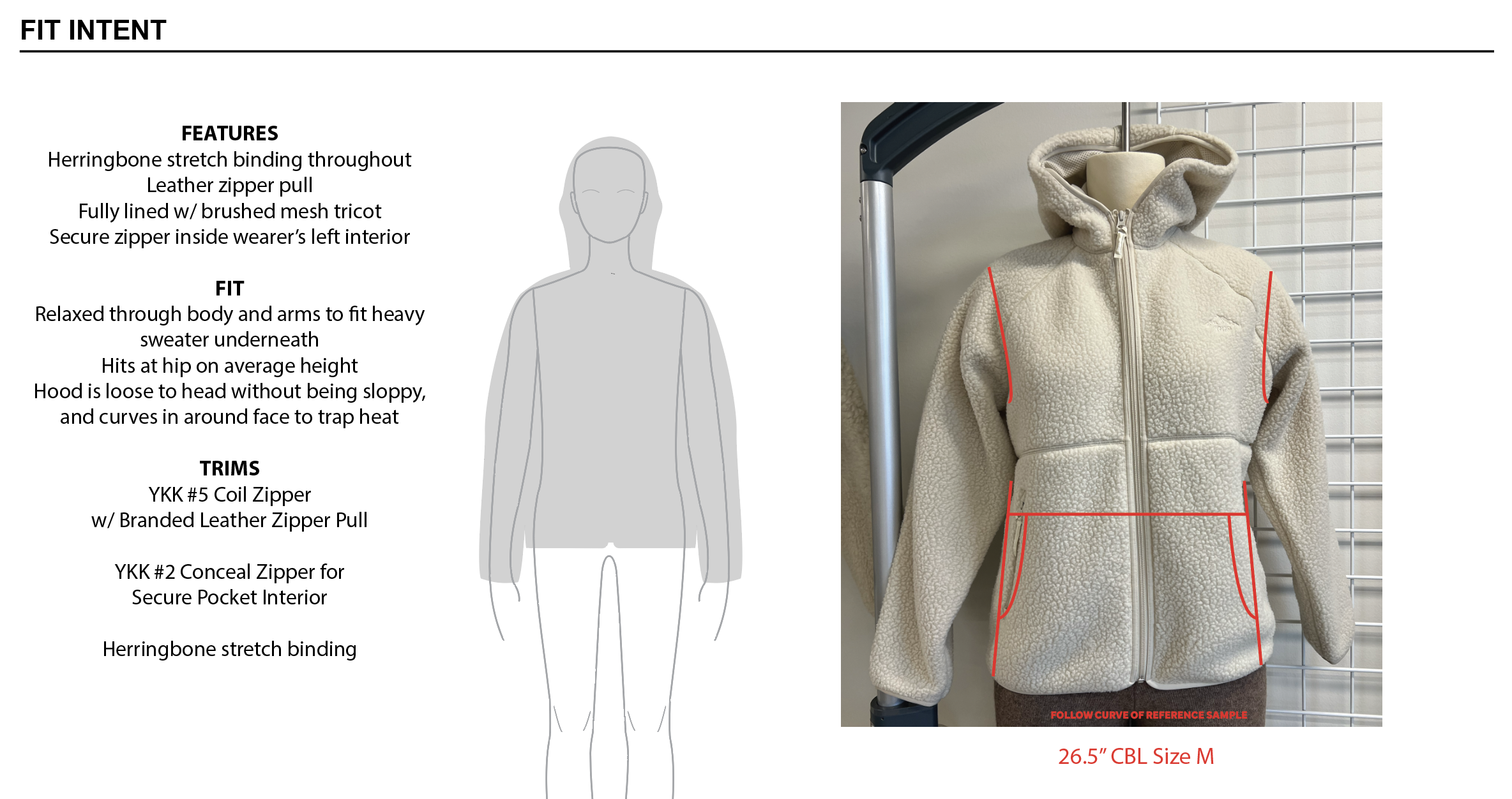
Fit is one of the most powerful components of a brand’s product identity.
Customers may notice graphics, colors, or features first, but they remember how a product feels. Does the garment sit close to the body or create room for movement? Where should the length land? How should the fabric drape? What experience should the customer have when they put it on?
These decisions shape perception just as much as aesthetics.
When fit intent isn’t clearly defined, technical design teams are forced to fill in the gaps. When it is clearly defined, everyone is working toward the same outcome.
Construction Details: Where Alignment Creates Better Products
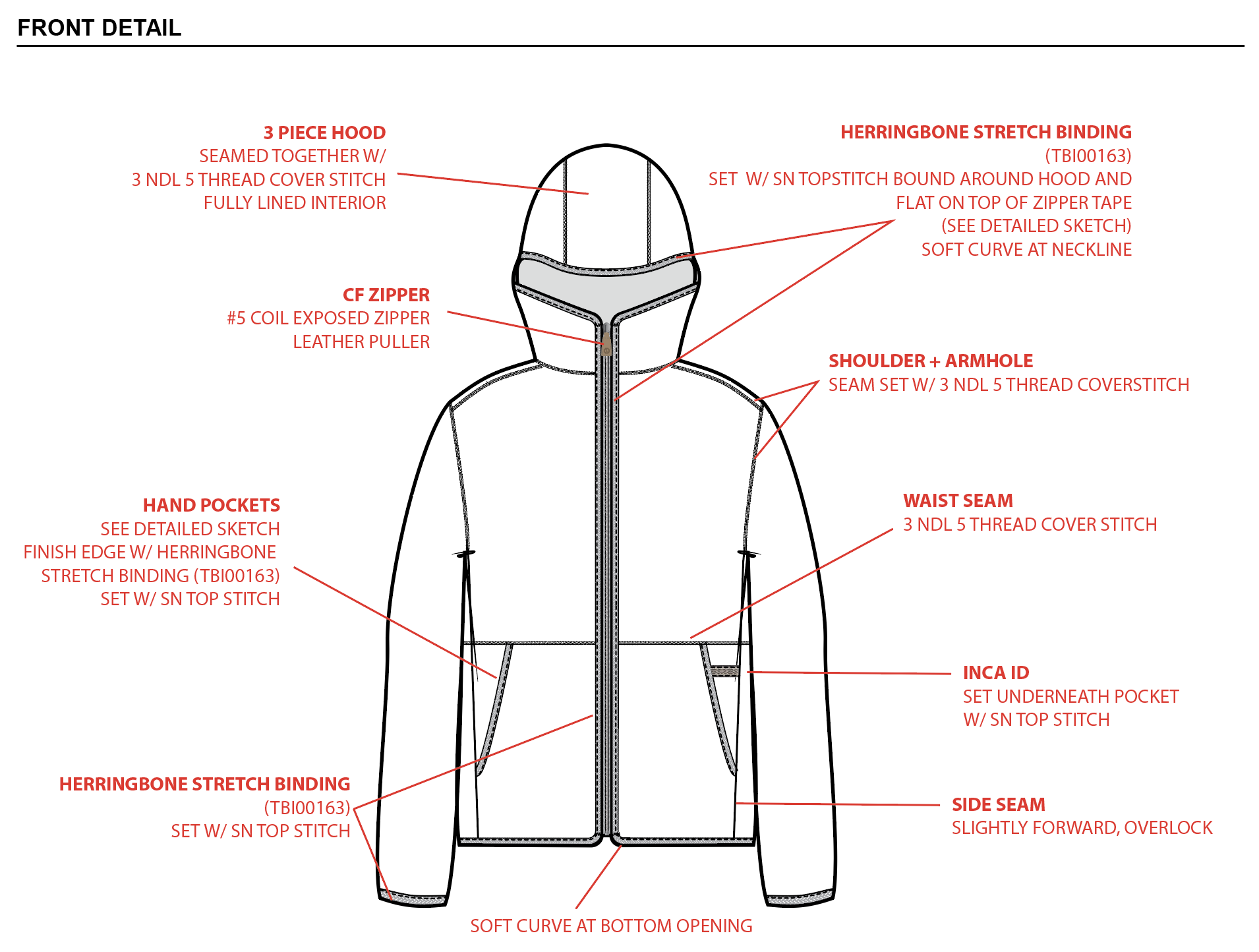
This is where I most often see friction emerge. Construction details sit at the intersection of creativity, feasibility, and execution. Without clarity, this stage becomes vulnerable to assumptions. I believe that designers should own the product’s construction intent, while actively collaborating with Product Development and Technical Design to refine it. This is where the best products are built.
Designers bring brand identity, customer experience, and aesthetic vision. Product Developers bring manufacturing knowledge, costing expertise, and production realities. Technical Designers bring fit, pattern engineering, and construction sequencing.
When these perspectives come together early, the first prototype becomes significantly stronger because every angle has already been considered. The goal isn’t for one function to have all the answers. The goal is alignment around the same question.
Color: Defining the Details That Create Distinction
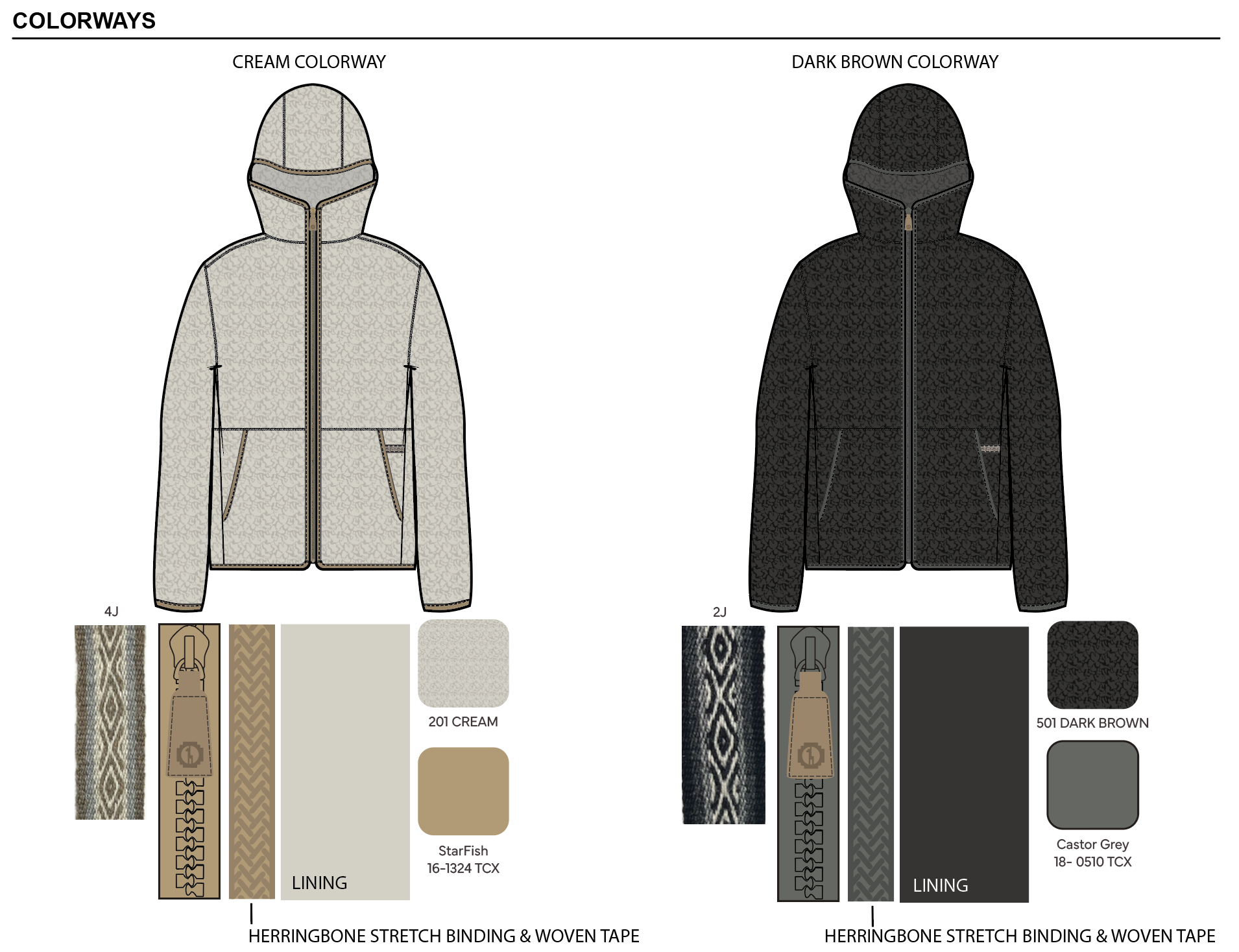
Color decisions often happen later than they should. The earlier the color direction is established, the more opportunity teams have to build intentionality into every component of the product from thread selections and trims to washes, coatings, and hardware finishes. These details may feel small individually, but collectively they create a product’s personality.
And personality is what customers remember.
The Real Role of the Tech Pack
Every brand’s process will look a little different. Team structures vary. Timelines vary. Development calendars vary.
What doesn’t change is the need for clarity.
When Design, Product Development, and Technical Design align around a clearly defined product vision, decisions happen faster. Communication improves. Fewer revisions are required. Teams spend less time solving preventable problems and more time improving the product itself.
For founders, this matters because every unnecessary revision carries a cost. Not just in dollars, but in momentum. Building distinctive products doesn’t require slowing down. In fact, the opposite is true. When a product’s identity is clearly defined from the beginning, teams spend less time interpreting and more time executing. Momentum increases, friction decreases, and the product arrives closer to what was originally envisioned.
Distinct products aren’t built through more meetings or more samples.
They’re built when everyone is working from the same story.